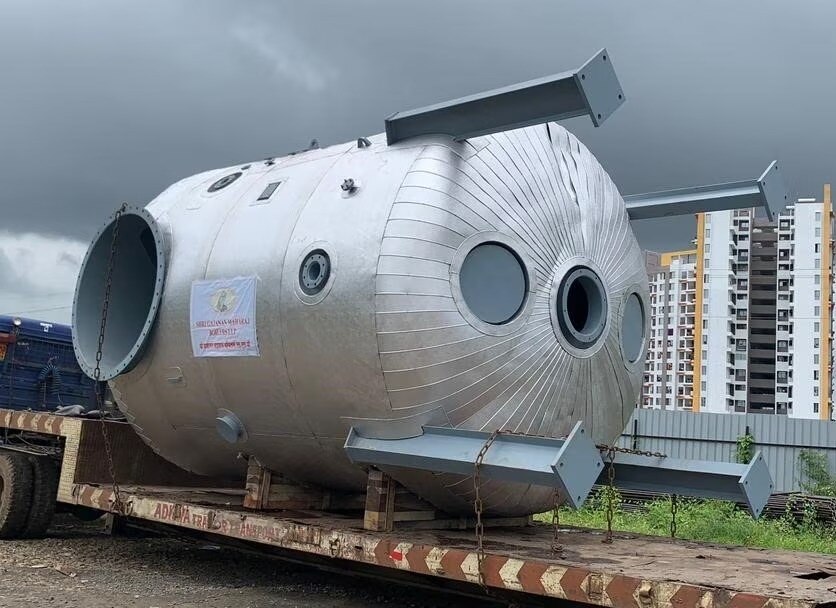
A waste-heat recovery system cuts fuel use from an existing heat source, while a new boiler adds dependable steam capacity. By comparing measured exhaust conditions, steam demand, integration risks, project cost and Maharashtra compliance requirements, you can choose a retrofit, boiler or hybrid arrangement with fewer operating surprises.
Key takeaways
- Choose a new boiler when peak demand exceeds available steam capacity.
- Subtract temperature, flow, fouling and operating losses before valuing recovered heat.
- Confirm the exhaust source and steam demand run at the same time.
- Compare fuel, downtime, controls, maintenance and installation costs across Pune projects.
Start with the steam deficit, not the equipment name
A steam deficit decides the starting point: choose a new boiler when peak or minimum demand exceeds current capacity, production is expanding, rapid startup matters, or steam is needed while process exhaust is off. Choose recovery when a stable exhaust source runs beside a matching heat load.
| Option | Stronger starting point | Main limitation |
|---|---|---|
| New boiler | Additional controllable steam capacity, startup, peak and backup duty | Fuel use, emissions, water treatment and combustion equipment |
| Waste heat recovery | Lower fuel consumption from a steady exhaust stream | Cannot cover demand when the source stops or falls below useful temperature |
| Hybrid | Boiler reliability with recovery for base-load preheating or supplementary steam | Higher installation and control complexity |
Screen the waste heat recovery system vs new boiler in Pune using measured steam demand in kg/h or tonnes/h, pressure, delivery temperature, peak and minimum load, annual run hours, startup time, redundancy and future production. Do not size recovery from a furnace, kiln, dryer or oven nameplate.
Record exhaust temperature, mass flow, oxygen, pressure, contaminants and the hours when steam or hot water is needed, including shift changes, batch gaps, monsoon interruptions, seasonal shutdowns and product-grade changes. The new boiler or heat recovery system decision becomes clearer when you compare those records with fouling, duct access and fan limits.
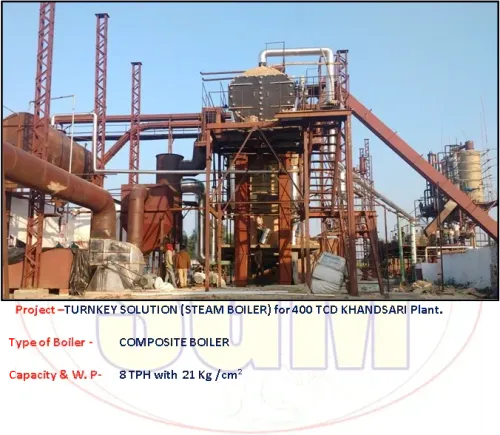
A fired boiler can cover startup, standby, peak and low-production duty while recovery supplies dependable base load.
Calculate usable heat after temperature, flow and fouling losses
A high exhaust temperature proves little: useful duty depends on mass flow and how far you can cool the gas without causing process or corrosion problems. Measure exhaust-gas mass flow, Cp and temperatures across several shifts, including batch gaps, then estimate sensible heat as Q = m × Cp × usable temperature drop.
Usable temperature drop ends above the required approach temperature, heat-exchanger pinch, fouling allowance and safe stack temperature. Keep a defined acid-dew-point margin for sulphur- or halogen-bearing fuels. If condensation is intended, specify corrosion-resistant materials, condensate drainage and neutralisation.
Match Q with the actual heat sink, not a nameplate rating.
| Option | Heat sink or duty | Limitation |
|---|---|---|
| Economizer | Boiler feedwater | Needs a cooler feedwater circuit |
| Air preheater | Combustion air | Pressure drop affects the burner and fan |
| Recuperator | Incoming process or combustion air | Requires a compatible air circuit |
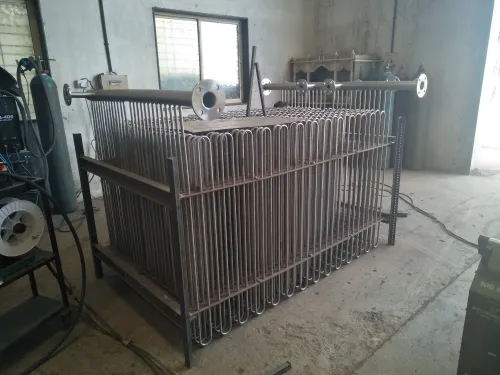
| Waste-heat boiler | Steam generation | Needs sufficient temperature and flow |
| Heat-recovery steam generator | Steam through a defined pressure circuit, often with multiple heat-transfer sections | More complex than low-temperature recovery |
Compare recovered duty with required steam load in kg/h, feedwater temperature, hot-water return temperature, thermal-oil temperature or process-air temperature. Lower-temperature hot water or feedwater is easier to produce than high-pressure steam from marginal exhaust.
The waste heat recovery system benefits count only after subtracting fan and pump power, radiation loss, exchanger pressure drop, cleaning downtime and induced-draft fan changes. Check effects on the burner and existing boiler before claiming net fuel savings.
Prove that the source and heat sink will operate together
1. Measure the source and sink over representative production days, using a temporary data logger or manual readings. Record exhaust temperature, flow, pressure, oxygen, particulate loading, moisture, oil or sticky vapours, corrosive compounds and run hours.
Calculate the percentage of operating time when both are available; one batch’s maximum temperature is not an annual energy case.
2. Test the heat exchanger against the actual contaminant profile. Biomass, solid-fuel, foundry, dryer, kiln and oven exhausts can cause fouling, condensation, corrosion, plugging and erosion. Specify soot-blowing or washing, inspection doors, tube access, bypass dampers and isolation valves where cleaning or safe isolation requires them.
3. Confirm the connection before approving waste heat recovery for factories in Pune. Check that feedwater, deaerator, combustion-air, hot-water, thermal-oil or process-air piping can be installed without stopping production. Specify temperature alarms, high-pressure protection, non-return protection, condensate drainage, and safe startup and shutdown sequences.
Recalculate the new duct pressure drop before changing a fan or burner.
4. Reject recovery when the plant runs too few hours, has no matching heat sink, faces highly variable exhaust, cannot tolerate an outage or lacks safe duct access.
A fired boiler remains the stronger choice when recovered heat cannot meet demand reliably; recovery earns its place when source and sink overlap for enough hours to support the retrofit. Use measured shift-based availability, not nameplate capacity, to make that decision.
Compare the full Pune project, not just thermal efficiency
The stronger lifecycle case is the option with the lowest installed, compliance and operating cost for the same hourly load profile, fuel price, operating hours and maintenance assumptions—not the highest efficiency percentage.
| Option | Full Pune project comparison | Lifecycle test |
|---|---|---|
| New boiler | Boiler, burner and fuel train; chimney routing, stack and emissions controls; fuel storage or handling; water treatment, feedwater equipment, blowdown, pumps, fans, controls and civil work. Add operator time, commissioning and statutory inspection. | Stronger when steam capacity is short, exhaust is intermittent, fuel is available and rapid load response matters. Include fuel cost, emissions, registration and inspection. |
| Recovery retrofit | Exchanger or waste-heat boiler, duct, bypass, chimney changes, pumps, fans, controls, civil work, cleaning access and emissions review. Deduct fan or pump electricity, cleaning labour, fouling, maintenance and planned outage duration. | Stronger when exhaust and heat demand overlap for enough hours. Test net recovered duty after pressure drop and fouling. |
| Hybrid | Fired boiler supplies startup, peak and backup; recovery supplies feedwater, air, hot water or base-load steam. Price both systems, interlocks, bypasses, commissioning and operator training. | Strongest where production cannot depend on variable exhaust but fuel reduction remains valuable. |
For waste heat recovery for factories in Pune, check fuel availability, space, monsoon access, local service response and Maharashtra Pollution Control Board consent conditions, including changed draft, stack temperature, bypass operation and added combustion equipment.
A steam-producing package remains pressure equipment: coordinate design pressure, safety valves, feedwater quality, blowdown, non-return protection, inspection access, Maharashtra boiler registration and inspection requirements.
Ask SGM Tech to separate guaranteed recovered duty from estimated savings and state outlet temperature, pressure drop, fouling allowance, materials, cleaning access, efficiency basis, warranty exclusions, performance-test conditions and correction factors. These waste heat recovery system benefits are credible only when the assumptions are auditable.
Related products
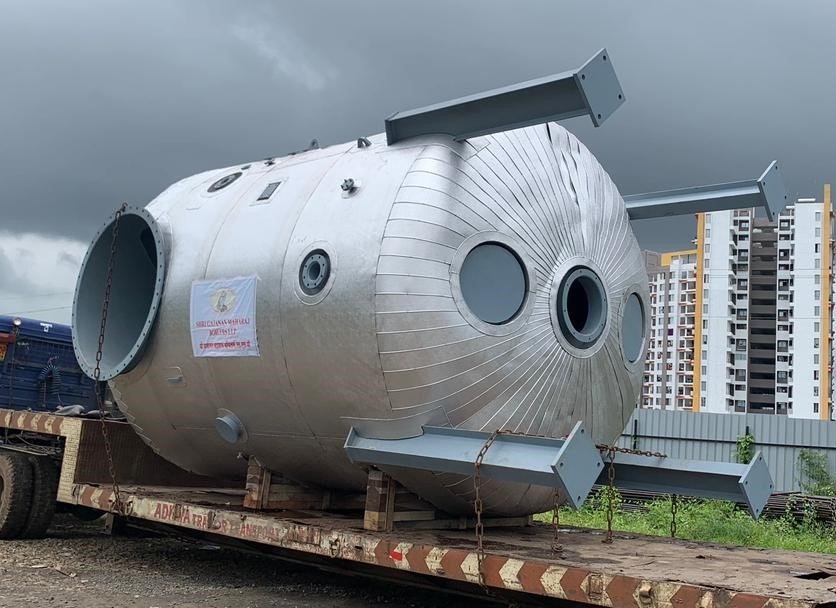 | WASTE HEAT RECOVERY SYSTEM WASTE HEAT RECOVERY is a process of recovering ENERGY from waste process outputs. View product → |
 | WASTE HEAT RECOVERY A RECUPERATOR is a special purpose counter-flow energy recovery AIR HEAT EXCHANGER positioned within the supply and exhaust air streams of an air... View product → |
Choose a staged or hybrid route when the evidence is incomplete
Do not replace dependable steam capacity with a variable source until measured data proves the source and load operate together. Record exhaust flow, temperature, oxygen content and fouling condition alongside steam demand, then model availability shift by shift and across seasonal shutdowns.
| Route | Use first | Capacity protection |
|---|---|---|
| Heat recovery | Stable exhaust serving feedwater, hot water or combustion air | Fired boiler remains available |
| Hybrid | Recovery supplies base load or supplementary steam | Boiler covers peaks and source shutdowns |
| New boiler | Exhaust misses approach or pinch temperatures, or recovered duty is low | Specify controllable capacity |
Start with the lowest-temperature useful duty. Feedwater, hot water and combustion air demand less source temperature than steam generation, reducing fouling and performance risk. Retain the existing or new fired boiler for peak, backup and source-shutdown duty.
Install a bypass so production continues when the exchanger is isolated, fouled or under maintenance. Define startup, shutdown, alarm and emergency procedures before commissioning.
For a waste heat recovery system vs new boiler in Pune decision, select a new boiler when recovery cannot meet the required annual duty. Specify pressure, steam quality, turndown, startup time, fuel and redundancy.
Request a performance test at named exhaust flow, temperature, oxygen content and fouling condition, with guaranteed outlet temperature, recovered duty and pressure drop. The best new boiler or heat recovery system choice is often hybrid: recovery cuts base-load fuel use while the boiler preserves controllable capacity.
Frequently asked questions
When should a Pune factory choose a new boiler over heat recovery?
Choose a new boiler when peak or minimum steam demand exceeds current capacity, production is expanding, rapid startup matters, or steam is needed while process exhaust is off.
How do you calculate usable heat from a waste stream?
Start with source temperature and flow, then subtract heat lost through temperature limits, exchanger effectiveness, fouling, pressure-drop constraints and operating downtime.
Why must the heat source and steam demand operate together?
Recovery produces useful steam only when the exhaust source runs at the same time as a compatible heat load. Compare operating schedules, turndown, shutdowns and seasonal demand.
What costs should you compare beyond thermal efficiency?
Compare fuel savings with installation, civil work, ducting, controls, emissions equipment, maintenance, cleaning, downtime, spare capacity and the cost of a backup boiler.
Related products
 | ECONOMIZER An ECONOMIZER is a device which is used to reduce the energy consumption in the system by utilizing energy from process outputs. View product → |
 | Package Type Boiler PACKAGE BOILER is a COMPACT BOILER used for generation of steam in any type of industry. It can be Water tube or Fire Tube type. View product → |