A chemical-plant economizer can lose heat-recovery performance long before a visible tube leak appears. A disciplined schedule, operating-data trend, targeted cleaning method and pressure-boundary inspection will help you distinguish fouling from corrosion, flow damage and unsafe operating conditions.
Key takeaways
- Compare the same load, inlet temperature and flow points every shift.
- Trend pressure drop and temperature difference to detect fouling early.
- Clean water and flue-gas sides using methods matched to deposits and materials.
- Shut down for leaks, cracking, rapid corrosion or unsafe tube-wall loss.
Build a maintenance schedule around operating data
Use the same operating points every shift; otherwise a changing boiler load can disguise a failing economizer. This is the operating-data core of how to maintain an economizer in chemical plant service.
- Each shift, record feedwater inlet and outlet temperature, feedwater pressure and flow, water-side pressure drop, flue-gas inlet and outlet temperature, gas-side pressure drop, stack temperature, boiler load and steam-drum level. Check for leaks, unusual pump or draft load, alarms and visible plume changes.
A rising stack temperature at comparable load signals lost heat recovery; rising gas-side pressure drop points to fouling or plugging.
- Each month, review the trend rather than a single reading. Compare temperature approach, heat recovery, pressure drops and flow at similar loads, then inspect accessible headers, casing, drains, expansion supports and sootblower equipment. Reconcile water chemistry records for hardness, iron, copper, suspended solids, dissolved oxygen and pH.
Investigate unexplained feedwater loss or repeated low-water alarms immediately.
- During the annual outage, use the actual fuel, process vapours and deposit chemistry to set the inspection and cleaning plan. Isolate, depressurise, cool and drain before opening; inspect tubes, headers, welds and supports for thinning, erosion, corrosion and cracking. Sample deposits when removing a tube.
Treat entry as permit-required confined-space work until atmospheric testing, ventilation, an attendant and rescue arrangements are verified. Dry the gas path completely before firing.
Use temperature, pressure and flow trends to find fouling
Compare temperature, pressure and flow trends at the same boiler load; this reveals declining heat transfer before a tube failure. A single stack-temperature reading is unreliable because excess air, fuel composition and load can change it.
1. Record feedwater inlet and economizer outlet temperature, feedwater flow, feedwater pressure, flue-gas inlet and outlet temperature, stack temperature, gas-side pressure drop and water-side pressure drop. Include steam-drum level and boiler load.
2. Track the temperature approach between the feedwater outlet and the gas leaving the economizer. A shrinking approach, rising stack temperature or falling recovered heat at comparable load indicates fouling or poor water-side circulation.
3. Treat rising gas-side differential pressure as stronger evidence of flue-gas fouling or plugging. A rising pump load, falling feedwater flow or increasing water-side pressure drop points toward waterside restriction.
4. Compare each trend with the previous clean baseline, not just the manufacturer’s alarm limit. Check fuel composition, excess oxygen and process vapours before blaming deposits.
Chemical-plant contaminants such as chlorides, alkali salts, acidic vapours, catalyst fines and waste-fuel ash can change the deposit and corrosion mechanism. Sample deposits during inspection when trends disagree; waterside deposits can overheat tubes even while outlet temperature and flow appear normal.
Rank boiler economizer problems by both lost heat recovery and pressure-boundary risk. Rising stack temperature permits investigation; tube thinning, unexplained feedwater loss, repeated low-water alarms or steam in the flue gas demands load reduction or a controlled shutdown.
Clean the water side and flue-gas side without creating new damage
Depressurize, cool and drain the boiler before economizer cleaning and inspection. Lock out and tag steam, feedwater, fuel, electrical, pneumatic and chemical supplies; close, lock and verify isolation valves, then check for trapped pressure and backflow. Treat the casing as a permit-required confined space when restricted access, combustion residue or chemical deposits exist.
Test the atmosphere, ventilate, appoint an attendant and prepare rescue equipment before entry.
Use this isolation and restoration sequence:
- Confirm zero pressure at vents and drains, then verify boiler-water level no longer changes.
- Install blinds or physical breaks where valve leakage could re-pressurize the economizer.
- Remove deposits with equipment matched to tube spacing; never direct a jet at fins, supports or welds.
- Flush cleaning chemicals until discharge pH and conductivity match the specified plant limits.
- Drain low points, open vents and dry tubes with clean, oil-free air or warm air that will not overheat coatings.
- Inspect for blocked gas passages, wet insulation and residual chemical pockets before closing the casing.
| Cleaning method | Use it for | Main control |
|---|---|---|
| Chemical circulation | Hard water-side scale | Confirm chemical compatibility and neutralize completely |
| Tube brushing | Light, accessible deposits | Use the correct brush diameter; avoid scoring tubes |
| Hydro-jetting | Tenacious deposits and open passages | Limit pressure to the tube and fin manufacturer’s rating |
| Dry air or warm air | Final drying | Prevent moisture retention and thermal shock |
Do not restart until drains are closed, covers are secured, instruments are restored and a controlled leak check confirms that cleaning has not created a pressure-boundary leak.
Inspect for corrosion, erosion, cracking and chemical-plant contaminants
A complete inspection covers the pressure boundary, gas path, supports and seals—not only accessible tube faces. For chemical plant economizer maintenance, trace each defect to the contaminant and operating condition that produced it; a clean-looking outlet can hide waterside deposits and overheating.
Inspect these locations and damage mechanisms:
- Tube outside diameters and fins for erosion from sootblower lances, ash cutting, high-velocity gas and high-pressure washing; check bent fins and blocked passages.
- Tube interiors, tube-to-header joints, headers and end plates for pitting, under-deposit corrosion, chloride attack, oxygen corrosion, wall thinning, thermal-fatigue cracking and stress-corrosion cracking.
- Tube supports, baffles, casing seals and expansion joints for rubbing, vibration, distortion and air leakage.
- Access doors, refractory, drains and sootblower lances for failed seals, wet pockets, misalignment and local jet damage.
Sample deposits and identify chlorides, alkali salts, sulfur compounds, catalyst fines, iron and copper oxides, and process-derived acids. Compare the results with actual fuel and exhaust chemistry; copying a natural-gas boiler interval can miss high-temperature corrosion or moisture-driven low-temperature corrosion.
Before internal inspection or water washing, lock out steam, feedwater, fuel, electrical, pneumatic and chemical sources; depressurize, cool, drain and verify no backflow or stored pressure. After washing, collect contaminated water, dry gas passages fully, and confirm fin integrity, clear passages and dry drains before firing.
OSHA lockout/tagout applies where unexpected energy release could injure workers.
Decide when to repair, reduce load or shut down
Rank defects by pressure-boundary risk before heat-recovery loss: a tube leak, thinning, crack, unexplained feedwater loss, steam in flue gas or repeated low-water alarms outranks a dirty gas path. Reduce load or begin a controlled shutdown for those signs; do not continue operating to protect efficiency.
| Defect | Decision | Repair response |
|---|---|---|
| Pressure-boundary damage | Shut down or reduce load | Use an approved procedure, qualified welders, suitable nondestructive examination, and post-repair pressure testing or code-required examination. Tube plugging, tube-section replacement, header repair and weld repair belong here. |
| Rising stack temperature or gas-side pressure drop | Investigate or clean | Confirm the trend at comparable boiler load, then inspect for fouling or plugging. A single stack-temperature reading does not prove fouling. |
| Casing, insulation or external seal damage | Repair under controlled conditions | Locate any underlying pressure-boundary leak first; patching the casing alone is not durable. |
Choose an economizer repair service that supplies inspection records, material details and test results. SGM Tech can help evaluate whether a customized repair or replacement fits the operating duty, but the repair procedure must match the applicable boiler code and site permit system.
Take the unit out of service, cool, isolate and drain it before water washing. Collect contaminated wash water, dry the gas path completely, and test the atmosphere before any confined-space entry; residual moisture and ash can accelerate low-temperature corrosion.
Related product
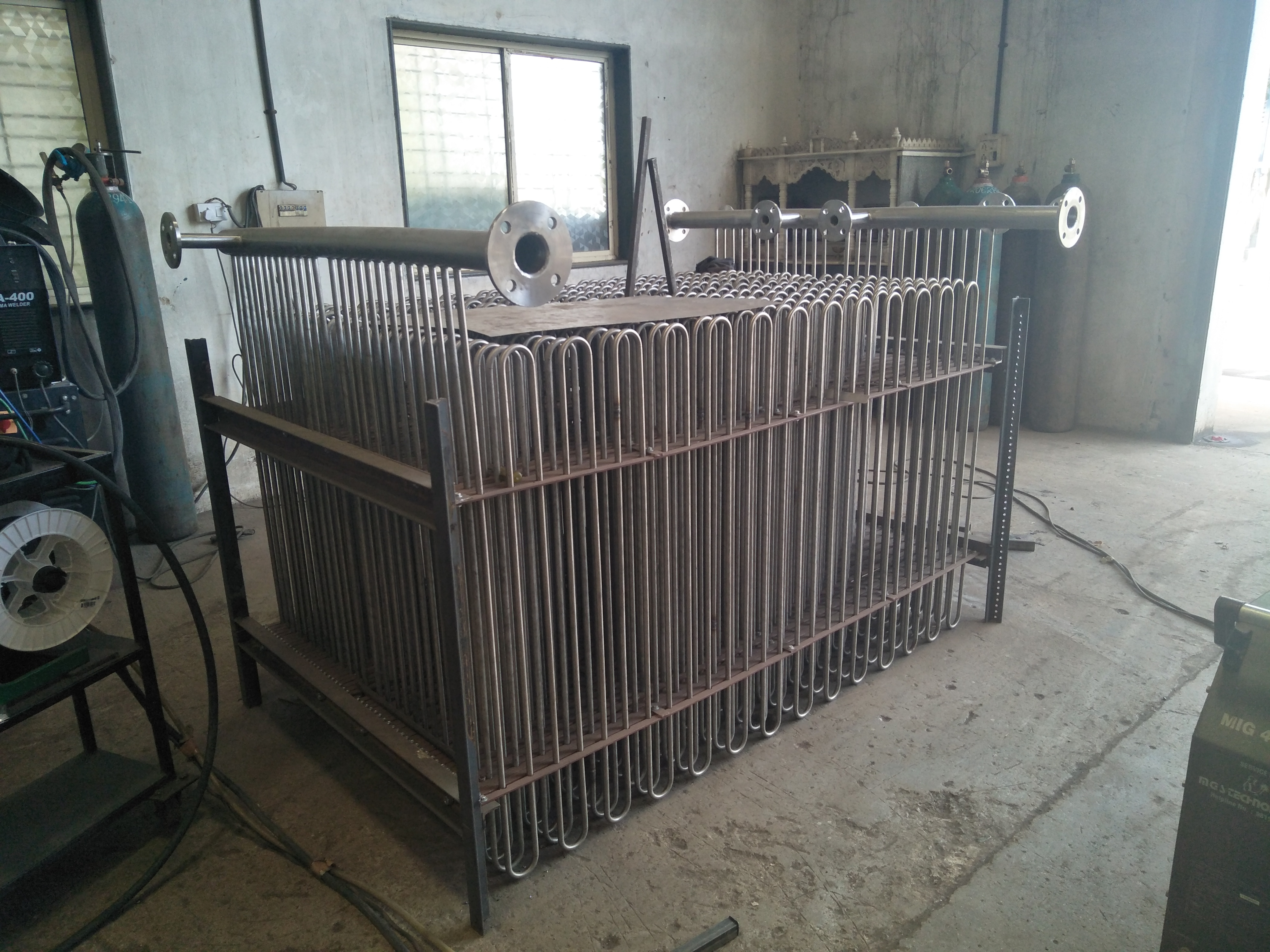 | ECONOMIZER An ECONOMIZER is a device which is used to reduce the energy consumption in the system by utilizing energy from process outputs. View product → |
Frequently asked questions
How do you build a chemical plant economizer maintenance schedule?
Use fixed operating points each shift, then schedule inspections and cleaning from temperature, pressure, flow and load trends rather than calendar dates alone.
Which trends reveal economizer fouling?
Rising water-side pressure drop, falling heat transfer, abnormal flue-gas temperature and reduced flow at the same boiler load point to fouling.
How should you clean an economizer?
Clean the water side with a controlled chemical or mechanical method suited to the deposit and metallurgy, and clean the flue-gas side with equipment that will not damage tubes or fins.
What damage should you inspect for in a chemical plant economizer?
Check for corrosion, erosion, cracking, tube-wall thinning, leaks and deposits containing process chemicals, chlorides, acids or alkalis.
When should you repair or shut down an economizer?
Reduce load for stable, limited degradation; repair when inspection confirms manageable damage; shut down for active leaks, cracking, rapid metal loss or unsafe operating conditions.