A boiler can run at its maximum practical firing rate and still produce less steam when fuel quality, combustion, heat transfer, feedwater, or plant demand sets the limit. You will be able to separate genuine boiler capacity loss from a measurement error or increased steam demand, then investigate the limiting subsystem without dismantling equipment prematurely.
Key takeaways
- Compare steam output with a verified test at matching pressure and fuel conditions.
- Use trends to identify the first subsystem that limits firing rate.
- Inspect fuel preparation, excess air, deposits, and feedwater restrictions.
- Confirm repairs with a controlled performance test before declaring capacity restored.
Define the capacity loss before changing the firing rate
A multi-fuel water-tube boiler not reaching capacity is underperforming only when it produces less steam than its verified output under the same test conditions. A lower steam-flow reading alone proves nothing: the process may be taking more steam, operating pressure may have changed, or the fuel may contain more moisture.
1. Record a baseline at the previous stable load. Capture steam flow in kg/h, steam pressure, steam temperature, feedwater flow and temperature, blowdown rate, fuel consumption, fuel moisture, fuel heating value, excess oxygen, flue-gas temperature, and ambient conditions.
2. Compare useful heat, not just fuel mass. A wet fuel requires a higher as-fired feed rate than a dry design fuel to deliver the same heat input. Calculate heat input from as-fired fuel flow and measured heating value, then compare steam output at the same pressure and feedwater temperature.
3. Prove that demand is not the cause. Check the process-steam flowmeter, pressure-control valve position, steam header pressure, and downstream users during the test. If the boiler holds its rated pressure while steam flow rises with plant demand, you have a demand change, not boiler capacity loss.
4. Repeat the comparison against documented boundary conditions. ASME PTC 4 provides the framework for defining fuel, air, flue gas, steam, feedwater, and heat-loss measurements. Record measurement uncertainty and emissions conditions before calling the result a boiler limitation.
A genuine boiler capacity loss appears when heat input or firing rate reaches its safe practical limit, yet measured steam generation remains below the established rating under matched conditions.
Use operating data to locate the first limiting subsystem
Start with measured steam generation and useful heat input, not the firing-rate command. Calculate heat input from the actual as-fired fuel rate and lower heating value, then compare it with feedwater flow, steam flow, and the specified pressure and temperature. This separates a fuel-input limit from a water-side, gas-side, or demand-side limit.
Record these measurements at the same time and under steady conditions:
- Steam flow, pressure, temperature, and pressure-control valve position
- Feedwater flow, drum level, feedwater temperature, blowdown rate, and conductivity
- As-fired fuel flow, moisture, heating value, and the air-flow signal
- Furnace pressure, induced-draft fan load, flue-gas oxygen, temperature, and emissions-control pressure drop
- Superheater outlet temperature, attemperator spray flow, and downstream process-steam demand
| Measurement pattern | First subsystem to investigate | What the result means |
|---|---|---|
| Steam flow below target while fuel heat input and draft reach their limits | Fuel-feeding, grate, furnace, or induced-draft capacity | The boiler is at its practical firing boundary |
| Feedwater flow or drum level falls below the required rate | Feedwater system or circulation | Increasing firing rate risks low level and tube damage |
| Steam pressure falls while the boiler has unused fuel, air, and draft capacity | Steam demand or pressure-control configuration | The constraint may sit outside the furnace |
| Normal combustion data with rising gas-side temperature or pressure drop | Heat-transfer surface or ash fouling | Deposits are restricting heat absorption or gas flow |
Use ASME PTC 4 boundary conditions when validating the result. For water tube boiler troubleshooting and multi fuel boiler performance problems, steam pressure alone cannot identify the first limiting subsystem.
Check fuel preparation, air settings, and combustion quality
A wet, oversized, or unevenly fed fuel can leave a multi fuel boiler at its maximum practical firing rate while steam output remains below nameplate capacity. The same control curve cannot serve natural gas, coal, dry biomass, refuse-derived fuel, and high-moisture blends.
Check these conditions before increasing the firing rate:
- Measure moisture, higher heating value, ash content, particle-size distribution, and bulk density on an as-fired sample. Wet fuel needs greater mass flow for the same heat input, but the feeder, grate, furnace volume, or ash system may reach its limit first.
- Watch the hopper and feeder for bridging, rat-holing, fuel segregation, speed fluctuation, and intermittent discharge. An unstable feed signal produces an unstable flame and uneven heat release.
- Compare primary-air flow, secondary-air flow, furnace pressure, oxygen, carbon monoxide, and flue-gas temperature with the approved fuel-specific control curve. Excess air that suits gas can cool a biomass furnace; inadequate secondary air can leave carbon in ash and raise CO.
- Inspect bottom ash and fly ash for unburned carbon. This points to poor distribution, large particles, weak grate air, poor mixing, short residence time, or low furnace temperature—not automatically a need for more fuel.
- Record the fuel blend and retune feeder speed, air split, ignition-zone temperature, and minimum load after every significant fuel change.
For a multi fuel water tube boiler not reaching capacity, document test fuel, as-fired flow, heating value, steam pressure, feedwater temperature, air, flue gas, and losses under ASME PTC 4 boundary conditions. Frequent sootblowing that restores output confirms recurring fouling; it does not prove the air-fuel settings are correct.
Find fireside deposits, waterside fouling, and feedwater restrictions
A clean flame does not rule out a hard boiler capacity loss. Ash on water-wall, superheater, reheater, or economizer surfaces adds thermal resistance; deposits in convective passes and economizer tubes increase draft loss. Sticky, low-melting ash narrows gas passages and makes sootblowing less effective, so fan position rises while steam generation stalls.
Check these signs before raising firing rate:
- Rising furnace-exit or gas temperature with increasing induced-draft fan position indicates fireside fouling, not automatically poor combustion.
- A high economizer differential pressure indicates restricted gas flow or plugged tube passages.
- Scale on waterside surfaces reduces heat transfer, raises tube-metal temperature, and can trigger protective controls or tube failure.
- Incorrect drum-level indication, restricted downcomers or risers, poor feedwater distribution, or plugged tubes can interrupt circulation and create local overheating.
- Low feedwater flow, low feedwater temperature, excessive blowdown, or abnormal conductivity can limit evaporation even when firing remains stable.
A feedwater-system restriction at a strainer, control valve, pump, or economizer can starve the boiler of heat-absorbing water. Verify drum level, feedwater flow, temperature, blowdown rate, conductivity, and economizer differential pressure during the same load period; do not bypass low-water, flame-failure, drum-level, or furnace-pressure interlocks.
If online washing, sootblowing, or tube cleaning temporarily restores output, treat that improvement as evidence of recurring fouling. In a water tube boiler troubleshooting sequence, inspect fuel ash behaviour, sootblower coverage, waterside deposits, and circulation paths before increasing heat input.
Confirm the diagnosis with a controlled performance test
Treat a multi fuel water tube boiler not reaching capacity as an engineering or system-boundary issue when it fails a repeatable test at the specified fuel heat input, pressure, feedwater temperature, excess-air condition, and emissions setting.
Nameplate capacity does not transfer unchanged to wet biomass or waste-derived fuel: higher as-fired flow can expose limits in the feeder, grate, furnace volume, induced-draft fan, or ash-removal system.
Run the test to ASME PTC 4 or the governing contract code, and freeze the boundary conditions. Record:
- As-fired fuel flow, moisture, heating value, blend ratio, and particle size
- Steam flow, pressure, temperature, drum level, and blowdown
- Feedwater flow and temperature, air flow, flue-gas oxygen, temperatures, and draft
- Fan positions, fuel-feeder load, emissions condition, and instrument uncertainty
Compare the measured steam-generation rate with the expected heat input and account for measurement uncertainty. Steam pressure alone cannot identify the fault: downstream demand, a pressure-control setting, superheater duty, attemperator capacity, feedwater restriction, or furnace heat release can each impose the limit.
If sootblowing, online washing, or tube cleaning restores output briefly, record the before-and-after gas temperatures, draft, fan position, and steam rate. That pattern supports recurring fouling, not a permanent cure. The corrective decision then needs inspection evidence and trend data supporting fuel screening, air-staging changes, sootblower revision, or heat-transfer and gas-path redesign.
SGM Tech can use that defined boundary to separate a boiler modification from a plant steam-system constraint.
Related product
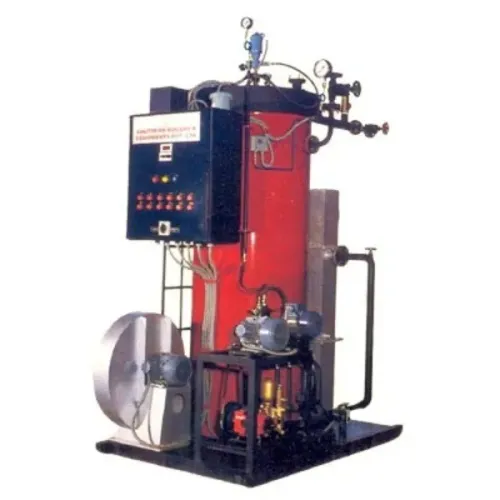
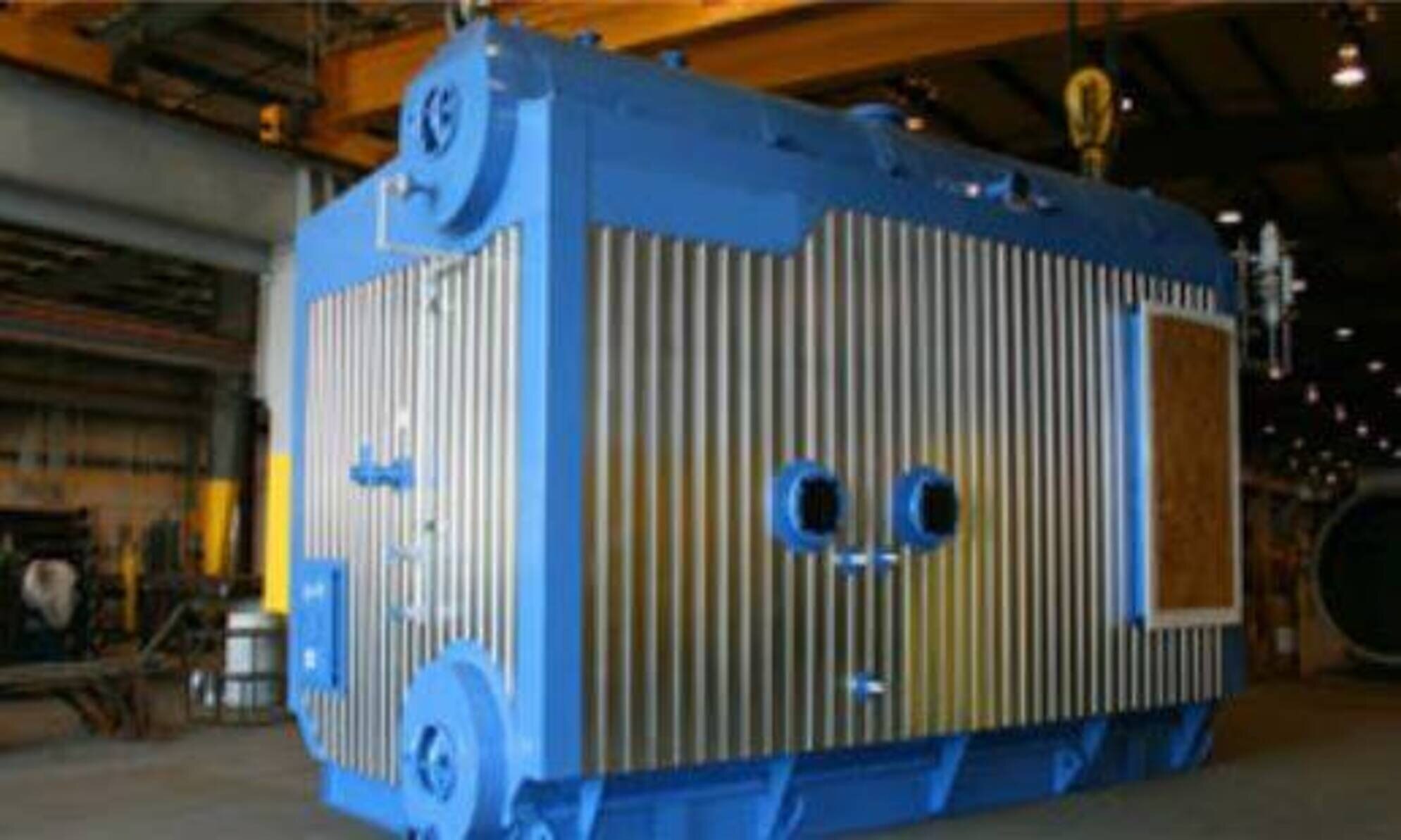
 | Multi Fuel Water Tube Boiler WATER CUM SMOKE TUBE BOILER is a type of boiler in which water circulates in tubes heated externally by the fire. View product → |
Frequently asked questions
How do you define capacity loss in a multi-fuel water-tube boiler?
Compare current steam output with verified output under the same operating pressure, fuel quality, feedwater temperature, and test conditions. A lower steam-flow reading alone does not prove capacity loss.
Which operating data helps locate the first limiting subsystem?
Review synchronized trends for steam flow and pressure, fuel feed, furnace pressure, oxygen, carbon monoxide, flue-gas temperature, drum level, feedwater flow, and fan or grate load. The first variable to reach its limit identifies where to investigate.
What fuel and air checks help solve multi-fuel boiler performance problems?
Check fuel size, moisture, ash, feeder delivery, grate or burner distribution, excess-air settings, draft, oxygen, carbon monoxide, flame stability, and unburned carbon. Poor preparation or incorrect air balance can limit output before the boiler reaches its design firing rate.
What physical restrictions commonly cause water-tube boiler capacity loss?
Inspect fireside deposits on furnace walls, superheater surfaces, economizer tubes, and air-heater surfaces. Check waterside scale, sludge, blocked strainers, feedwater-control valves, pumps, and restricted circulation paths.
How should you confirm a boiler capacity diagnosis?
Run a controlled performance test with defined fuel sampling, steady operating pressure, calibrated flow instruments, stable feedwater conditions, and recorded flue-gas readings. Compare the result with the verified baseline before and after corrective work.