The right choice depends on what you are heating, not simply on the quoted heat duty. By comparing the heat-transfer path, operating limits, fouling risks, pressure drop, leakage consequences, and lifecycle requirements, you can identify the exchanger type that fits your Pune plant and reject an unsuitable design before procurement.
Key takeaways
- Choose flue-gas-to-air units for direct air preheating at moderate pressure.
- Choose shell-and-tube units when fluids need strict separation or high pressure.
- Calculate recoverable heat from mass flow, temperature, and specific heat—not exchanger area.
- Check acid dew point, soot access, tube leakage, and cleaning before approving the design.
How the Two Exchanger Types Transfer Heat
A flue-gas-to-air exchanger transfers heat across metal from hot boiler or process exhaust to incoming combustion or process air. A shell-and-tube exchanger transfers heat between fluids separated by tube walls: one fluid flows inside tubes while the other passes through the shell side. The difference affects pressure, leakage, cleaning, and installation—not just heat-transfer area.
| Option | Heat-transfer path | Practical implications |
|---|---|---|
| Flue-gas air heat exchanger | Flue gas to air through plates, tubes, or fins | Gas-side dust, acid-dew-point corrosion, fan pressure drop, and cross-contamination require careful design |
| Shell-and-tube exchanger | Liquid, steam, vapour, or pressurised gas across tube walls | Tube plugging, gasket replacement, vibration, shell access, and differential expansion control maintenance |
| Gas-to-gas shell-and-tube service | Gas through tubes against gas on the shell side | Large area and low resistance demand more footprint; leakage direction and allowable rate must be specified |
For a flue gas air heat exchanger in Pune, a breach can send combustion air into the exhaust or flue gas into the air stream; rotary units also need seal-leakage control. A shell-and-tube unit suits feedwater, thermal oil, process water, condensing steam, or another pressurised fluid.
Compare flue gas air heat exchanger vs shell and tube in Pune using installed ductwork, fans, dampers, cleaning access, insulation, and pressure-drop costs—not equipment price alone.
Choose by Fluid, Temperature, Pressure, and Air Demand
Select an air heater or recuperator when hot flue gas can continuously preheat a large, steady combustion-air stream. Choose a shell-and-tube unit when the duty heats boiler feedwater, thermal oil, process water, steam, condensing vapour, or another pressurised process fluid.
Reject air recovery if the boiler cycles frequently, runs mostly at low load, or lacks stable combustion-air demand.
| Option | Fluid and pressure | Best fit | Main constraint |
|---|---|---|---|
| Air heater or recuperator | Flue gas to combustion or process air; usually low pressure on both sides | Continuous high-volume air demand and recoverable exhaust heat | Dust, acid-dew-point condensation, fan pressure drop, and cross-leakage |
| Shell-and-tube exchanger | Liquid, steam, condensing vapour, or pressurised gas through tubes and shell-side fluid | Feedwater, thermal oil, process water, and controlled process duties | Larger gas-side area and pressure drop make direct gas-to-air service inefficient |
| Gas-to-gas recuperator | Separate gas streams across plates, tubes, or fins | Clean exhaust and a defined target-air temperature | Specify leakage direction, permissible leakage rate, alarms, and isolation |
For a heat exchanger for chemical industry in Pune, provide a process datasheet before selecting construction. State exhaust temperature, gas composition, dust loading, moisture, acid dew point, air-flow rate, target air temperature, operating and design pressure, allowable pressure drop, fouling tendency, cleaning method, toxicity, phase change, viscosity, solids, relief scenario, and required turndown.
A shell and tube heat exchanger in Pune also needs the governing code, TEMA construction type, ASME Section VIII design basis, hydrotest pressure, corrosion allowance, tube material, and inspection extent.
Calculate Recoverable Heat Before Comparing Fuel Savings
Estimate recoverable heat from the actual flue-gas flow, not the exchanger’s rated surface area. Use Q = m × Cp × ΔT, where m is gas mass flow, Cp is gas specific heat, and ΔT is the permitted gas temperature drop.
1. Record flue-gas mass flow, inlet temperature, composition, dust loading, and the minimum outlet temperature. Set that outlet above the water and sulfuric-acid dew-point risk; cooling below it can create corrosive condensate.
2. Calculate the heat available, then apply exchanger effectiveness. For example, 10,000 kg/h of gas, Cp of 1.05 kJ/kg·K, and a 100°C usable drop provide about 1,050,000 kJ/h, or 292 kW. At 70% effectiveness, useful transfer is approximately 204 kW.
3. Convert useful heat into fuel savings: fuel saved = useful heat ÷ boiler or furnace efficiency ÷ fuel calorific value. Compare that saving with fan power, additional pumping, maintenance, cleaning outages, and any efficiency loss from increased pressure drop.
4. Test the annual case using real operating hours at each load. A boiler that cycles frequently, runs at low load, or lacks continuous combustion-air demand will not use the calculated duty.
For a flue gas air heat exchanger in Pune, compare the recovered-air duty with an economizer’s feedwater duty. In a flue gas air heat exchanger vs shell and tube in Pune comparison, choose the option whose annual useful heat exceeds its installed and operating costs, not the one with the lower purchase price.
Design for Fouling, Acid Dew Point, Leakage, and Cleaning
An exchanger sized only for clean surfaces will lose duty as ash, dust, oil mist, or process solids build up. Specify the fouling factor, acceptable pressure drop, and end-of-run duty; otherwise a flue-gas air heater can restrict combustion air, while a shell-and-tube heat exchanger in Pune may miss process temperature before the planned outage.
Keep every gas-side metal surface above the calculated acid dew point during normal operation and startup. Sulfur oxides, chlorides, water vapour, and residual alkali determine the condensate’s corrosivity; select tube, plate, casing, gasket, and weld materials from that chemistry, then provide drains and a cold-start bypass.
Insulation and cladding must also prevent rain ingress and corrosion under insulation during Pune’s monsoon.
Before selecting a heat exchanger for chemical industry in Pune, require a process datasheet showing:
- Fluid composition, phase change, viscosity, solids, toxicity, and fouling tendency
- Operating and design pressure and temperature on both sides, including relief scenarios
- Allowable pressure drop, required turndown, cleaning method, and outage interval
Design access around the cleaning method. A shell-and-tube unit needs tube-side cleaning space, shell-side access, tube-plugging limits, gasket replacement provisions, vibration checks, and allowance for differential thermal expansion. Gas passages need inspection doors, sootblowing or washing provisions, low-point drains, and a bypass.
Leakage direction matters: flue gas entering combustion air can carry corrosives into the burner, while air entering the exhaust changes oxygen readings and emissions. State ASME BPVC Section VIII, TEMA construction details, hydrotest, inspection extent, and the permitted leakage rate in the purchase specification.
Specify the Pune Installation for Lifecycle Cost, Not Duty Alone
Put lifecycle cost and site integration in the specification, not just recovered duty. The flue gas air heat exchanger vs shell and tube in Pune decision changes when you price fans, ductwork, structural steel, insulation, dampers, bypasses, stack effects, drainage, and access for cleaning.
For a heat exchanger for chemical industry in Pune, attach a process datasheet covering fluid composition, phase, viscosity, solids, toxicity, operating and design pressure, relief scenario, allowable pressure drop, fouling tendency, cleaning method, and required turndown. Include these purchase and comparison items:
- Annual operating hours, boiler load profile, combustion-air demand, fuel price basis, and the value of recovered heat; discount savings during cycling or low-load operation.
- Design pressure and temperature on both sides, corrosion allowance, gas composition, dust and moisture loading, acid-dew-point margin, target outlet temperature, and permissible leakage direction and rate.
- For a shell and tube heat exchanger in Pune, name ASME BPVC Section VIII and TEMA requirements, hydrotest pressure, tube material, inspection extent, tube-plugging limit, gasket plan, and shell-side access.
- Installed scope: fan or fan upgrade, duct transitions, supports, insulation, dampers, bypass, condensate drains, stack modification, emissions-monitoring effects, controls, and electrical work.
- Planned cleaning outages, spare tubes or elements, vibration checks, and the cost of lost production.
An engineering contractor such as SGM Tech adds value by surveying tie-in points, checking pressure-drop margins, coordinating civil and controls work, and commissioning the complete recovery system against actual plant conditions.
Related products
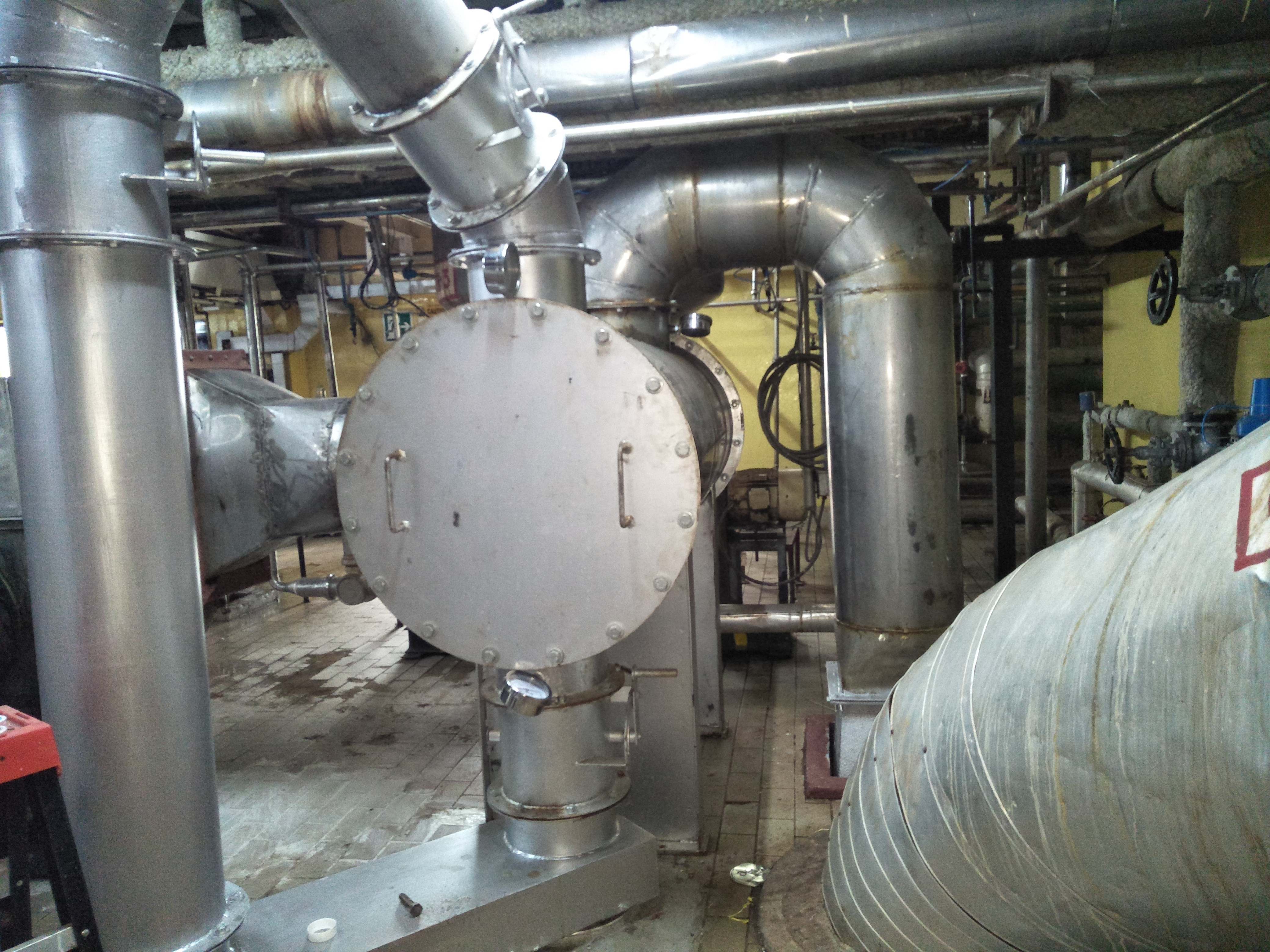 | Flue Gas to Air Heat Exchanger - HUL Ettah, Delhi HEAT EXHANGER is a device used to transfer heat between two or more fluids. There may be direct or indirect contact between the fluids. View product → |
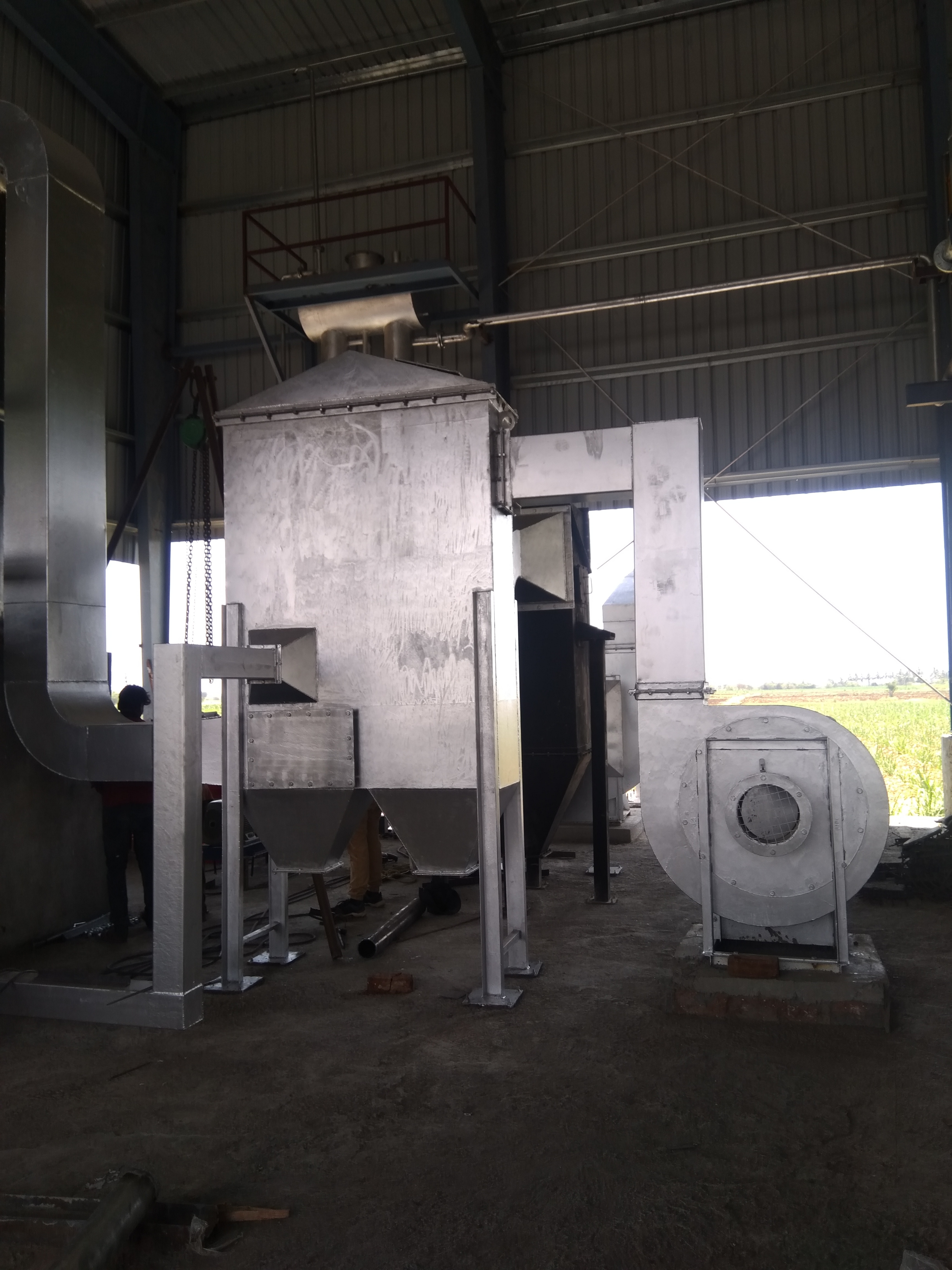 | AIR PRE HEATER An AIR PRE-HEATER (APH) is any device designed to heat air before another process (for example, combustion in a boiler) with the primary objective of... View product → |
Frequently asked questions
What is the difference between a flue gas air heat exchanger and a shell-and-tube exchanger?
A flue gas air heat exchanger transfers heat from exhaust gas to incoming air across metal surfaces. A shell-and-tube exchanger sends one fluid through tubes and another around them inside a shell, allowing more controlled fluid separation.
Which exchanger should you choose for a Pune industrial plant?
Choose based on fluid type, temperature, pressure, air demand, fouling load, leakage consequences, and cleaning access. Flue-gas-to-air units suit combustion or process-air preheating; shell-and-tube units suit two-fluid services that require pressure containment or strict separation.
How do you calculate recoverable heat from flue gas?
Estimate Q = mass flow × specific heat × usable temperature drop. Limit the result by the air flow, exchanger effectiveness, allowable pressure drop, and the flue-gas acid dew point.
What design risks must you check before selecting an exchanger?
Check soot and ash fouling, acid condensation, thermal expansion, air-to-gas leakage, fan pressure, tube or plate cleaning access, and the method for isolating and inspecting the equipment.
What should you include in a Pune exchanger specification?
State design flow rates, inlet and outlet temperatures, pressure and pressure drop limits, fuel and flue-gas composition, dust loading, acid dew point, materials, cleaning method, inspection access, controls, commissioning scope, and lifecycle-cost assumptions.
Related products
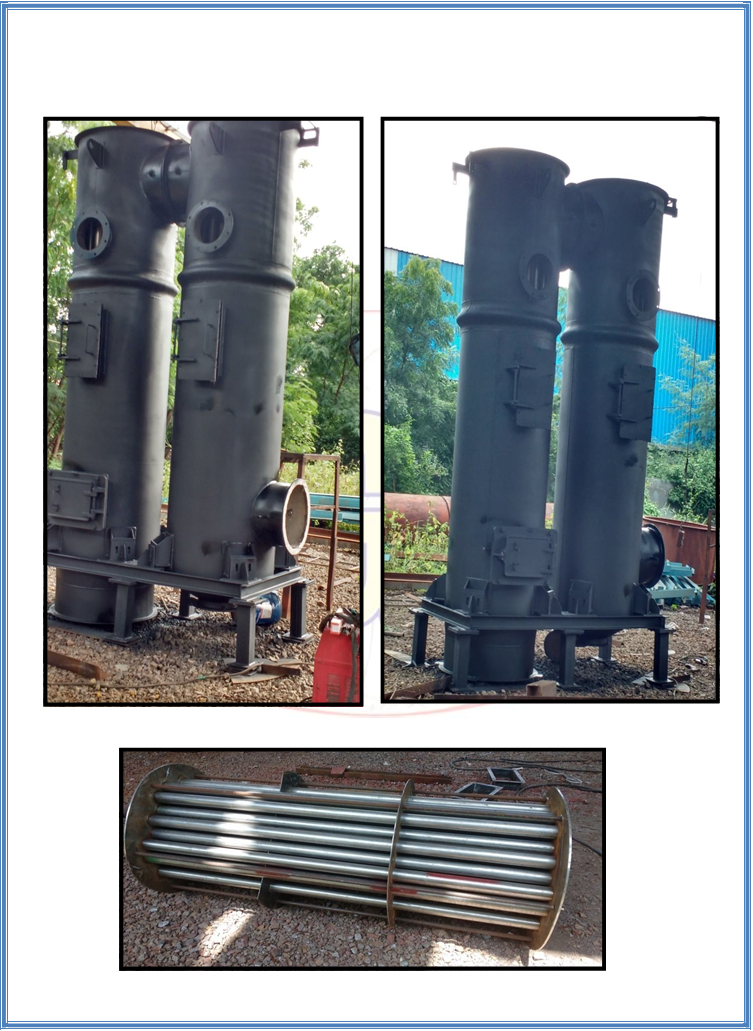 | WASTE HEAT RECOVERY A RECUPERATOR is a special purpose counter-flow energy recovery AIR HEAT EXCHANGER positioned within the supply and exhaust air streams of an air... View product → |
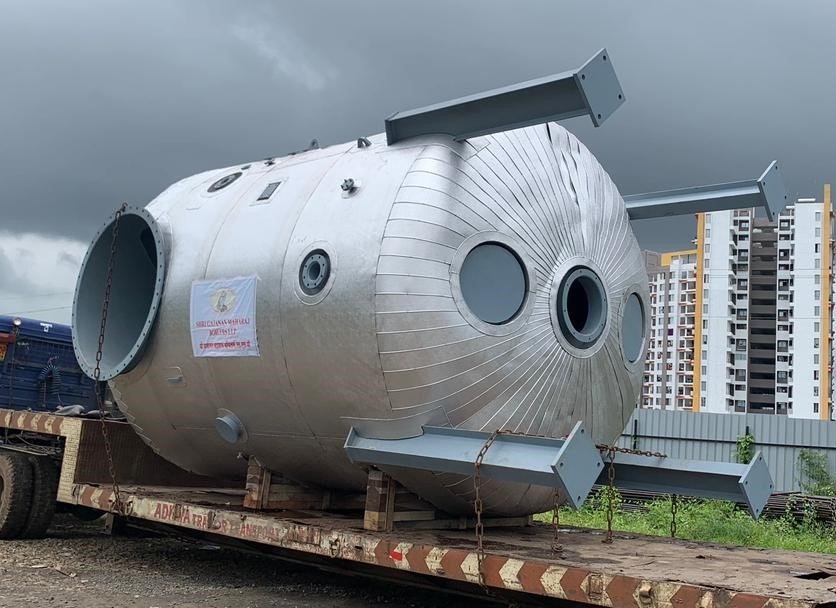 | WASTE HEAT RECOVERY SYSTEM WASTE HEAT RECOVERY is a process of recovering ENERGY from waste process outputs. View product → |